The news: Every Bartlett voter’s ballot on Tuesday, Nov. 3, includes three proposed amendments to the Tennessee Constitution. You’ll find them right after the governor’s race. Each is a simple yes-or-no question. (For the candidates, see our Nov. 3 ballot guide.)
Yes vs. no, in general: According to the Secretary of State, a “yes” vote changes the Constitution to the new language. A “no” vote keeps the current language as it is.
Amendment 1: Bail
- What it does: Right now, the Constitution says everyone can get bail except people charged with capital (death-penalty) offenses when the proof is evident or the presumption great. This would let courts also deny bail before trial, under that same standard, to people charged with terrorism, second-degree murder, aggravated rape of a child, aggravated rape, grave torture, or any crime that requires serving at least 85% of the sentence. Judges would also have to put their reasons for granting or denying bail in those cases on the record.
- YES: Courts could hold people charged with those listed crimes without bail.
- NO: Only capital cases stay eligible for denial of bail.
Amendment 2: No state property tax
- What it does: Adds a line saying the Legislature “shall not levy, authorize, or otherwise permit any state tax” on real, personal or mixed property.
- YES: The Constitution would ban a state property tax.
- NO: The current wording stays, with no such ban written in.
- Worth knowing: The language bans a state tax. It doesn’t mention county or city property taxes.
Amendment 3: Crime victims’ rights
- What it does: Replaces the victims’ rights section of the Constitution with a longer list of 13 rights. The Attorney General’s summary says the new rights include fair treatment, a role in the parole process, protection from harassment and intimidation, being told the offender’s minimum sentence and release date, and having safety considered before any release. Existing rights stay or are clarified, including notice of proceedings, being present, talking to prosecutors, restitution and a speedy resolution. It doesn’t limit prosecutors or courts, and it doesn’t let anyone sue the state for damages.
- YES: The expanded list of victims’ rights replaces the current section.
- NO: The current victims’ rights section stays.
How an amendment passes (the tricky part): Winning more yes votes than no votes isn’t enough. An amendment passes only if both of these happen:
- It gets more “yes” votes than “no” votes, and
- The “yes” votes add up to more than half of all votes cast in the governor’s race.
So skipping an amendment isn’t neutral. If you vote for governor but leave an amendment blank, your ballot raises the bar the amendment has to clear without adding a yes vote.
Voting in Bartlett tomorrow:
- When: Polls are open 7 a.m. to 7 p.m. If you’re in line at your assigned polling place by 7 p.m., you can still vote.
- Where: On Election Day you must vote at your assigned polling place. Find yours and your sample ballot at GoVoteTN.gov or electionsshelbytn.gov.
- Bring: A federal or Tennessee state photo ID, such as a Tennessee driver license or a U.S. passport. Expired IDs are OK. College IDs, city or county IDs, and IDs from other states are not.
Coming in 2030? Lawmakers have started three more proposed amendments: on citizenship and voting, judicial election dates, and judges’ residency. Before they can reach the 2030 ballot, they have to pass again by a two-thirds vote in both chambers.
Sources: Tennessee Secretary of State, 2026 Proposed Constitutional Amendments (full ballot text and Attorney General summaries); Secretary of State, voter ID requirements; Shelby County Election Commission, general voting information.
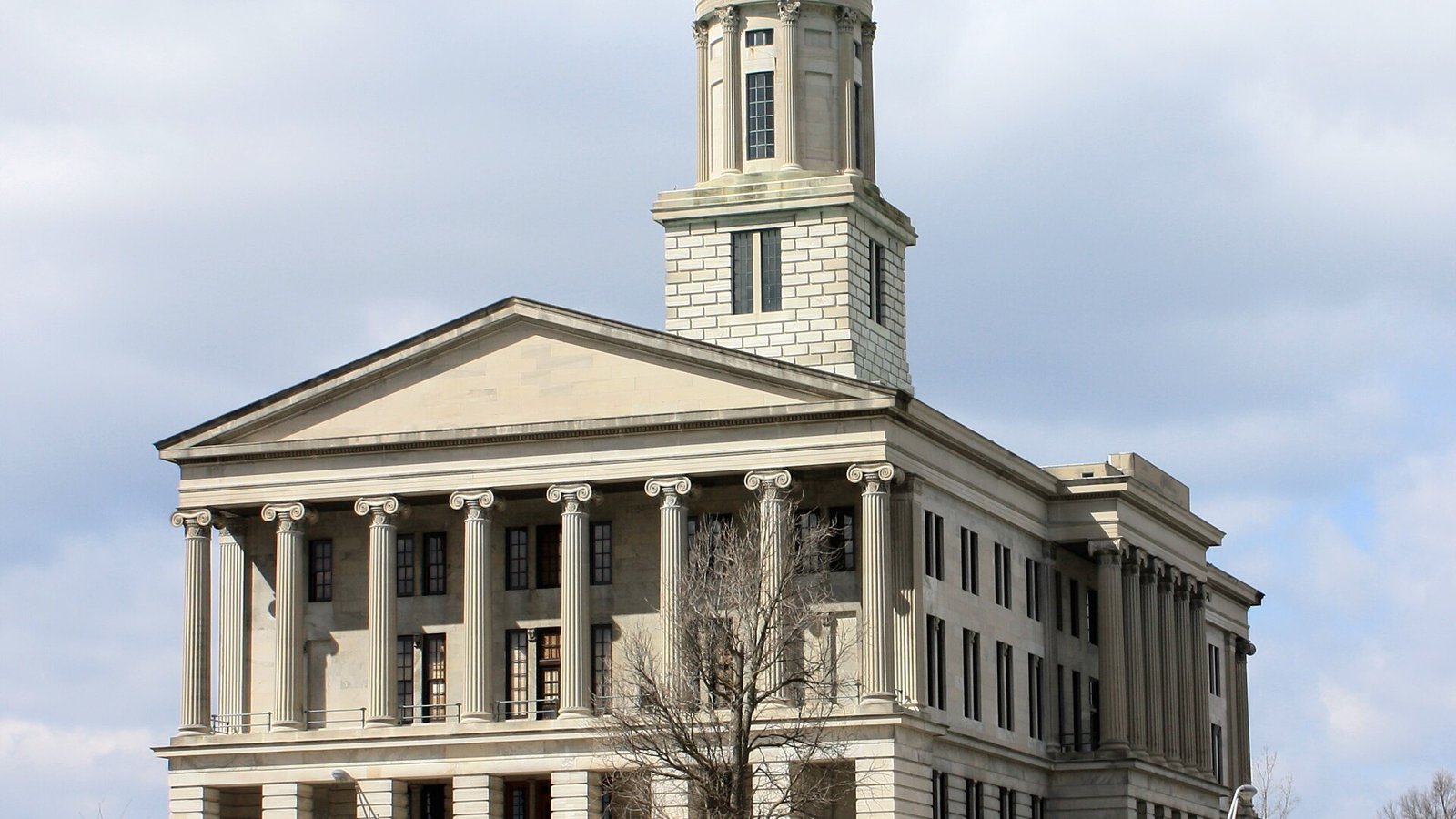
Photo: Kaldari, via Wikimedia Commons (public domain)